

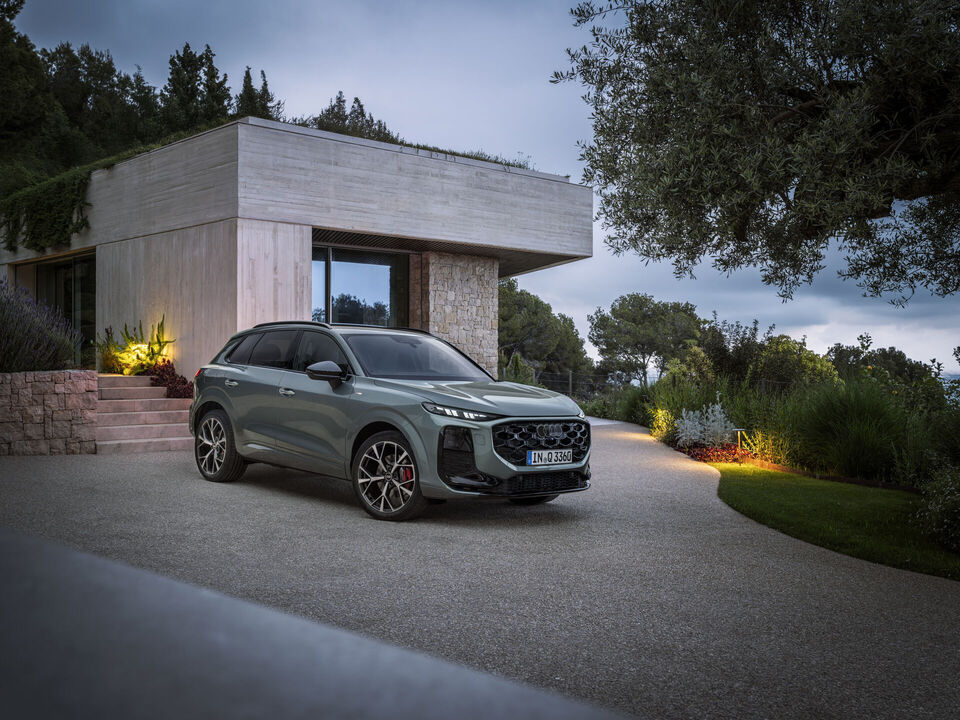
Audi’s product renewal is in full swing. After launching the next-generation A5 and Q5, as well as the electric A6 and Q6 E-Tron models in recent times, Ingolstadt is now sprucing up a smaller vehicle. The aging Q3 finally transitions to its third iteration, bringing substantial updates inside and out, according to ”motor1.com” .
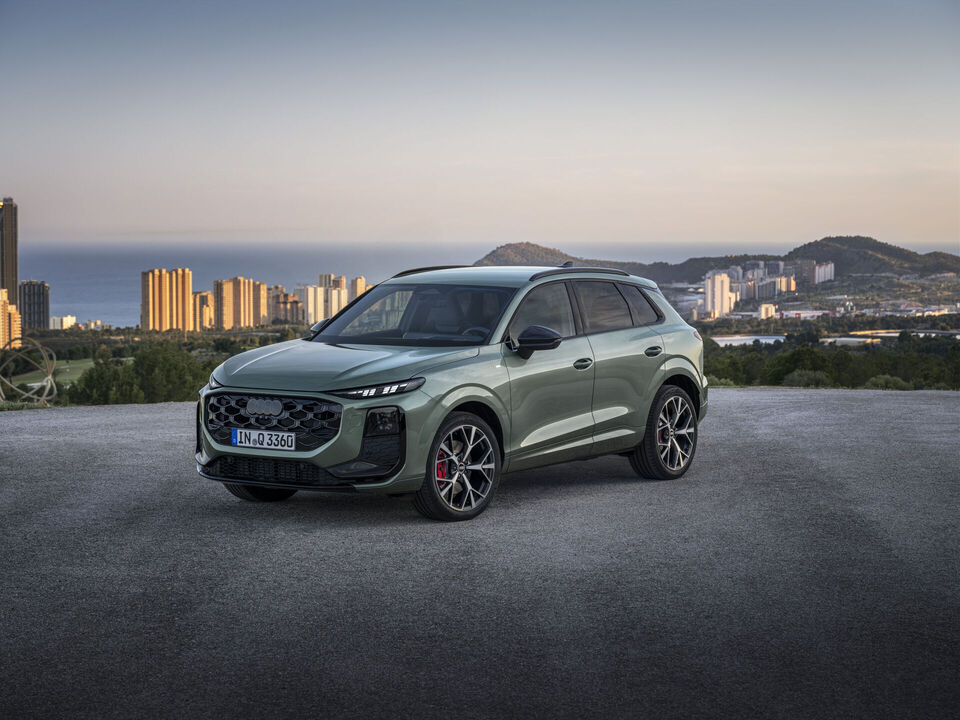
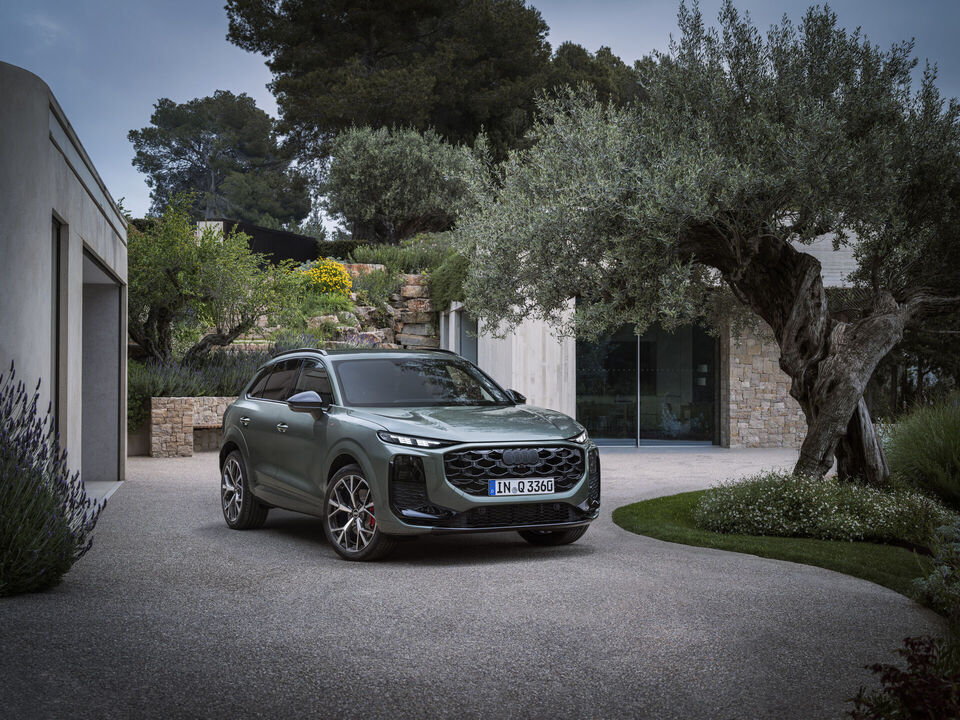
Starting on the outside, Audi is giving the new Q3 split headlights and taillights. Only the upper daytime running lights are immediately visible, as the main matrix LED headlights “hide” behind heavily tinted glass surrounded by glossy black trim. A single headlight contains a whopping 25,600 micro-LEDs, each roughly half the thickness of a human hair. That sounds expensive to replace.
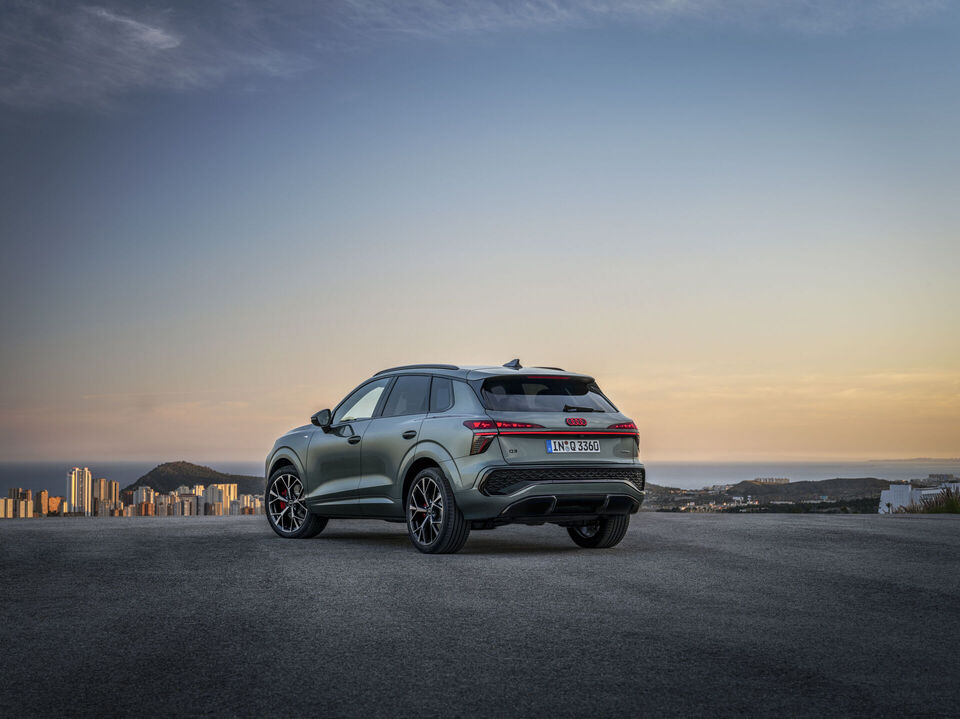
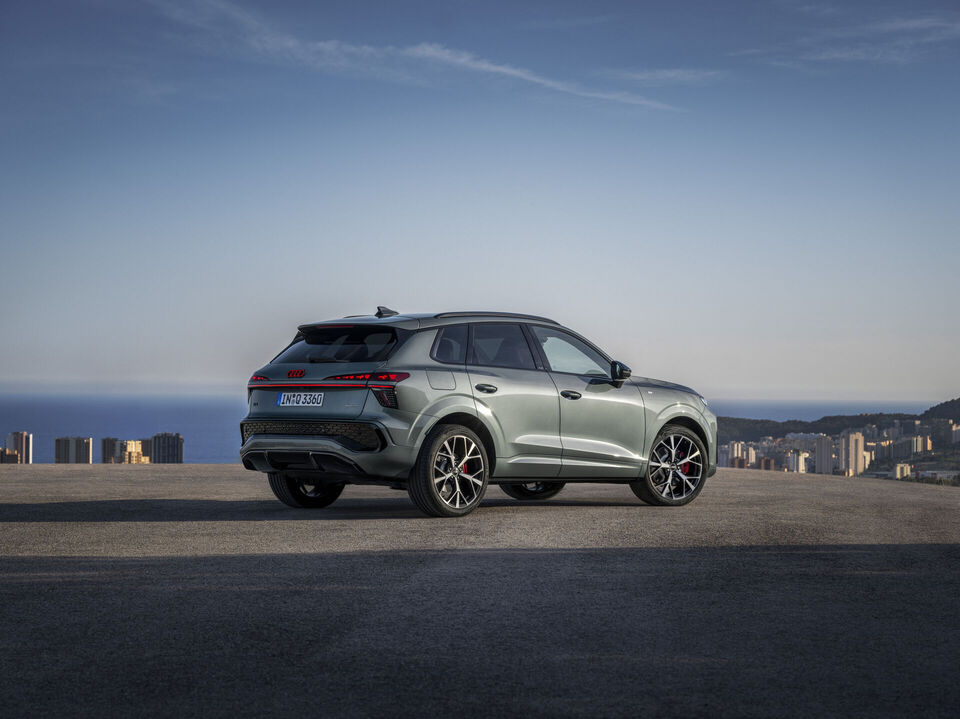
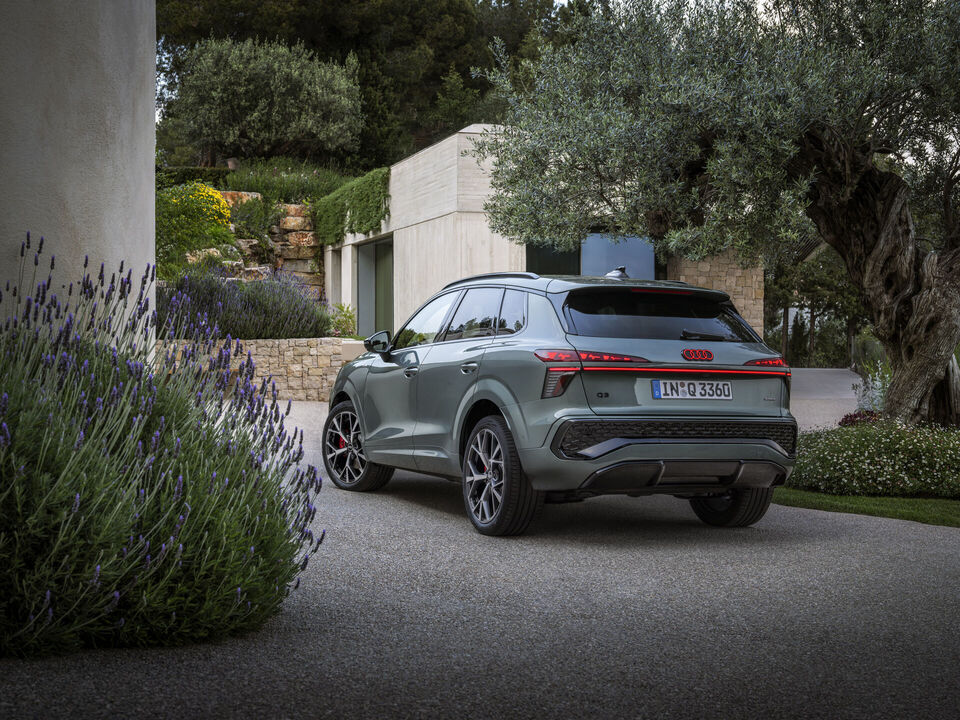
At the back, Audi has also separated the taillights with a lower LED light bar, combined with an upper OLED setup. Owners can modify the look of the rear lights by choosing from one of six available graphics, achieved by changing how the taillight’s 36 different segments are displayed. The rear lights resemble those of the new A6 and can flank an illuminated badge.
The interior is a typical new-generation Audi affair, but without an optional passenger screen. The driver gets a fully digital 11.9-inch instrument cluster, along with a 12.8-inch touchscreen running Android Automotive rather than a proprietary operating system. If you’re like us, you probably won’t be fond of the touch buttons on the steering wheel or the thick bezels of the dual-screen setup.
There is one notable upgrade not found in any other compact Audi: the Q3 is the first in its class to feature acoustic glazing for the front-side windows, offering a quieter ride. Whether the material quality meets expectations remains to be seen, but the company has acknowledged that its interiors have declined and vows to improve the quality of future products.
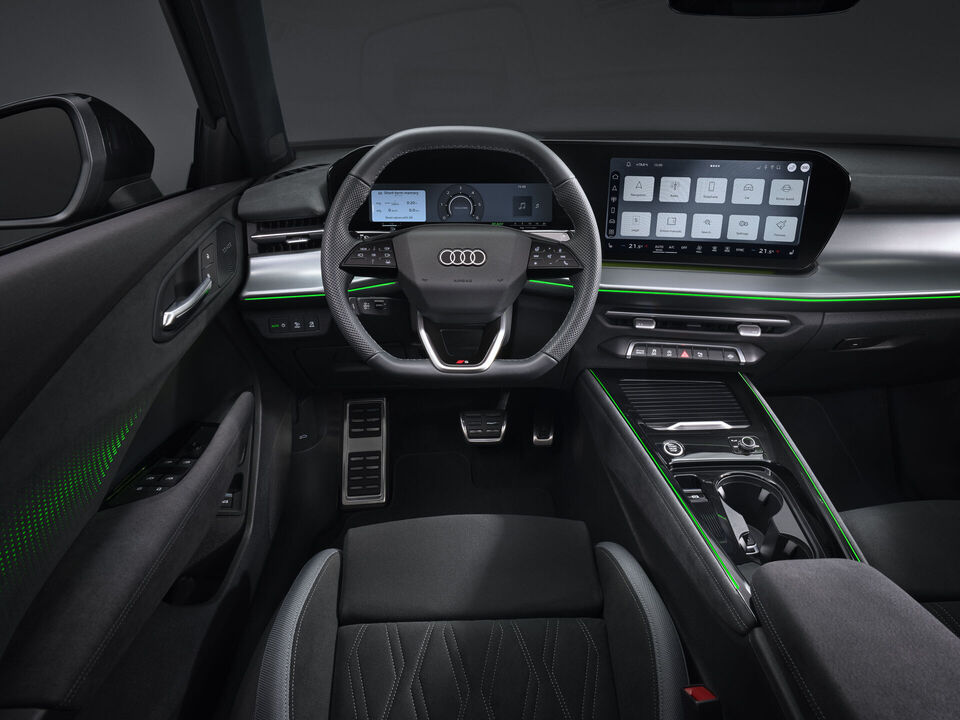
Audi is relocating the gear selector from the center console to behind the steering wheel. The small lever is mounted on the right side, freeing up space between the front seats for two large cupholders, a cooled inductive charging tray, and dual USB ports. To make this possible, engineers designed a multi-purpose left stalk that incorporates controls for the windshield wipers, lighting functions, and turn signals.
As for engines, the base Q3 comes with a 1.5-liter turbocharged gasoline engine that can shut off two of its four cylinders to reduce fuel consumption when full power isn’t needed. This mild-hybrid unit produces 148 hp and 184 lb-ft (250 Nm) of torque, sent to the front wheels via a seven-speed dual-clutch automatic transmission.
Next up is a larger 2.0-liter gasoline engine producing 261 hp and 295 lb-ft (400 Nm), paired with Quattro all-wheel drive. On the diesel side, Audi offers the familiar 2.0 TDI rated at 148 hp and 266 lb-ft (360 Nm), in a front-wheel-drive configuration. Both engines use the same seven-speed S Tronic gearbox. There is no diesel and AWD combo at launch.
Perhaps the most interesting option is the plug-in hybrid, though it’s FWD only. It combines a 1.5-liter gas engine with an electric motor, resulting in a total system output of 268 hp and 295 lb-ft (400 Nm). The battery pack has a net capacity of 19.7 kWh, enabling an electric range of 75 miles (120 kilometers) in the WLTP cycle. When depleted, DC charging at up to 50 kW replenishes the battery from 10% to 80% in under 30 minutes. Unlike the gas and diesel models, the hybrid uses a six-speed automatic instead.
Audi will launch the new Q3 in Europe this September. US-bound versions could arrive by the end of the year or early 2026.
Read the full art. on ”motor1.com” .