

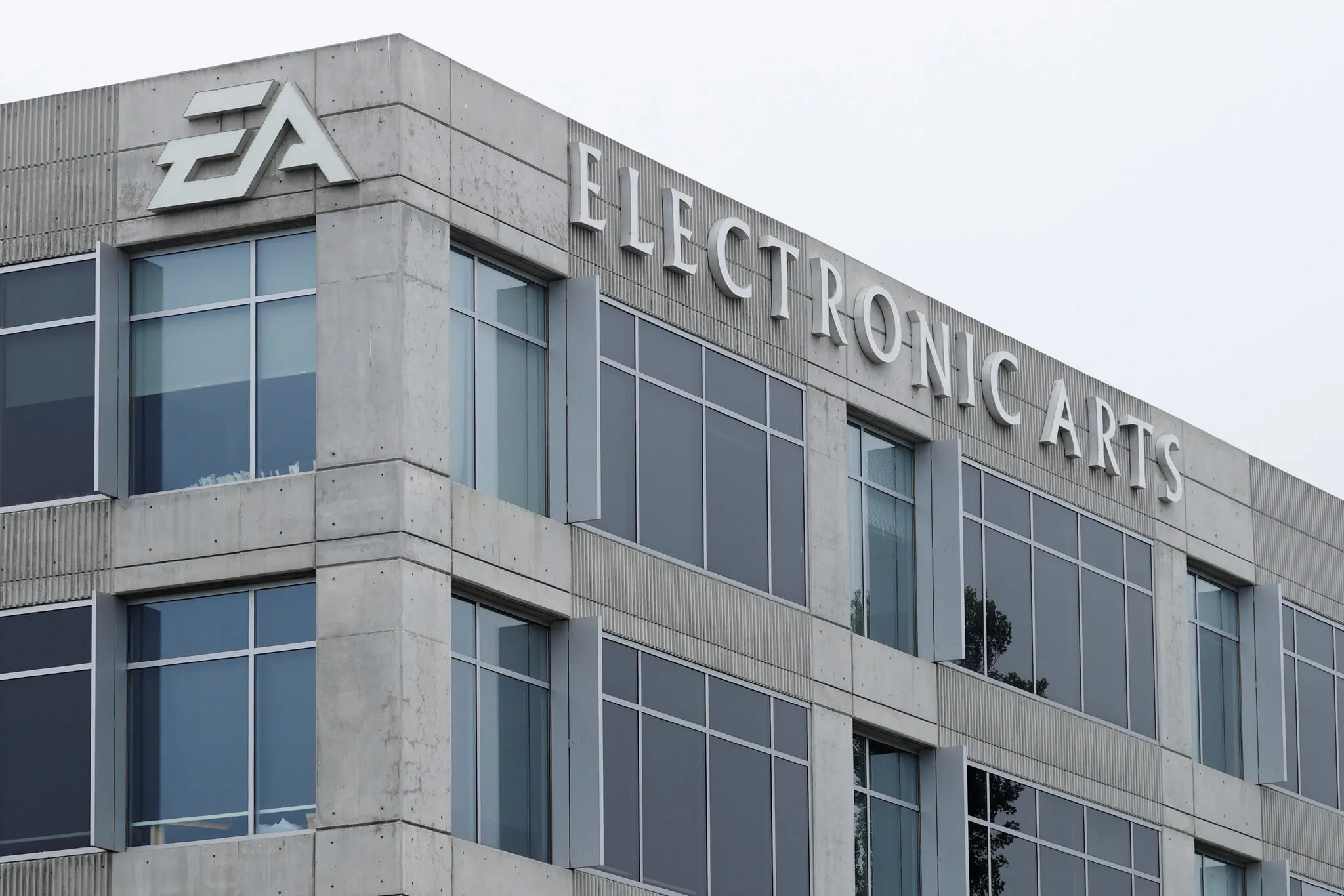
Electronic Arts, the globally renowned developer behind blockbuster gaming franchises such as Battlefield and Madden NFL, has agreed to a monumental buyout that will take the company private in a transaction valued at $55 billion. The deal, which now stands as the largest leveraged buyout (LBO) in corporate history, involves a powerful investment consortium led by Saudi Arabia’s Public Investment Fund (PIF), Jared Kushner’s Affinity Partners, and private equity firm Silver Lake.
The group is financing the acquisition through a blend of $36 billion in cash — including equity already held by PIF — and $20 billion in debt financing secured by JPMorgan Chase, according to a statement released Monday.
Under the terms of the agreement, EA shareholders will receive $210 per share in cash — a 25% premium over the stock’s closing price on September 25, prior to media reports of a potential acquisition. Following the announcement, EA shares surged roughly 5% in early trading, climbing to $203 per share.
The transaction places EA’s equity value at approximately $52.5 billion and underscores investors’ confidence in the enduring strength of premium gaming intellectual property amid a turbulent period for the broader video game industry.
A Record-Shattering Buyout
This acquisition surpasses the previous record for an LBO, which was held by the $45 billion buyout of Texas utility giant TXU Energy in 2007. That deal ultimately ended in bankruptcy in 2014, a cautionary tale for large-scale leveraged transactions. Similar fates met companies like Toys „R” Us and Hertz, both of which filed for bankruptcy years after their respective LBOs.
Despite this history, the EA buyout signals a bold bet by investors on the long-term value of established franchises in the entertainment and interactive media space. Analysts point to the company’s dependable sports gaming division and upcoming launch of Battlefield 6 as major drivers of future growth.
Market Reactions and Analyst Opinions
While the offer may appear attractive on the surface, some industry analysts believe the purchase undervalues the company’s long-term potential.
“The $210 per share offer undervalues EA’s future earnings capabilities,” analysts at Benchmark stated. “With Battlefield 6 imminent and a product roadmap that could generate over $2 billion in additional bookings by fiscal 2028, EA’s best days may still be ahead.”
EA has enjoyed consistent recurring revenue from its sports portfolio, thanks largely to strong engagement and in-game spending by players worldwide. The company’s leadership is now betting on this reliable revenue stream, along with a pipeline of high-profile releases, to carry growth into the next decade.
Deal Structure and Closing Timeline
The acquisition is expected to be finalized in the first quarter of EA’s fiscal year 2027. At the time of closing, $18 billion of the $20 billion in debt financing will be deployed. EA will maintain its headquarters in Redwood City, California, with current CEO Andrew Wilson remaining in his leadership role.
A $1 billion termination fee has been agreed upon by both parties. EA would be liable for the fee if it withdraws from the agreement, accepts a superior bid, or pursues a different transaction within one year of a shareholder vote against the deal. Similarly, the buying consortium would owe the same amount if the deal is not completed by September 28, 2026, due to regulatory hurdles or a breach of contract.
Strategic Implications
The unprecedented deal highlights the growing convergence of sovereign wealth, private equity, and entertainment IP in the digital economy. As the gaming industry continues to evolve, major investors are looking beyond traditional valuation metrics to secure footholds in companies with expansive global reach and cultural influence.
With the acquisition of Electronic Arts, this consortium is positioning itself at the forefront of the interactive entertainment industry — a sector increasingly shaped by innovation, digital engagement, and loyal fanbases.
Photo: ”nytimes.com”